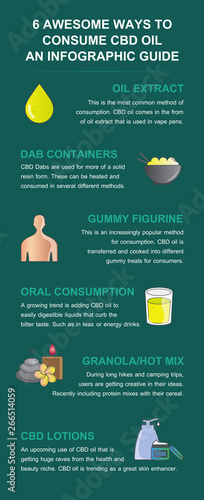
Lately, cannabidiol has emerged from obscurity of the cannabis plant to establish itself as a household name, captivating the attention of medical professionals alongside healthcare providers alike. As more consumers seek organic solutions to address pain and discomfort, CBD, short for the compound cannabidiol, has become a focal point of debate. With assertions of its advantages ranging from reducing anxiety to tackling chronic pain, the dialogue around CBD is amplifying. Yet with all the hype and a deluge of products, such as CBD topicals, it's crucial to analyze the research behind these claims to understand what CBD has to offer.
Particularly noteworthy is the use of CBD for certain ailments, including painful intercourse, a form of discomfort during sex that concerns many patients. As consumers explore the capabilities of CBD in addressing pelvic pain and discomfort, comparisons to traditional pain relief methods, including narcotics, arise naturally. This article intends to explore the biochemistry behind CBD, illuminating its mechanisms, effectiveness, and how it compares in the current discourse surrounding pain management options. As we navigate this field, it is vital to separate truth from myth, providing readers with transparent information into whether the excitement for CBD is merited.
spintax
# Grasping CBD Suppository Administration
Cannabidiol suppository forms offer a distinct method of administration for cannabidiol, allowing for targeted relief and faster absorption in contrast to traditional oral methods. These suppositories are designed to be inserted into the rectum or vagina, where they dissolve and deliver CBD directly into the bloodstream or nearby tissues. This approach avoids the digestive system, potentially enhancing bioavailability and providing more immediate effects, which can be particularly advantageous for those seeking rapid relief from discomfort.
The use of CBD insertables is gaining attention for multiple conditions, including pelvic issues and dyspareunia, a term for painful intercourse. Individuals dealing with these conditions may find that using CBD in this method can assist alleviate pain and boost overall comfort. It is believed that the inflammation-reducing properties of CBD enhance its effectiveness in providing relief in vulnerable areas, making it an inviting option for those looking for other methods to traditional pain management methods.
Moreover, CBD insertables can serve as an alternative to opioids, offering a potentially more secure method of managing pain without the risk of addiction and other side effects associated with opioid use. As more inquiries comes to light, the comparative benefits of CBD versus opioids are becoming more evident, with many users indicating satisfactory results from using CBD insertables for their pain management needs. As the research behind CBD continues to progress, so does the insight of this cutting-edge delivery system's role in holistic health and wellness.
Cannabidiol for Painful Intercourse Relief
Painful intercourse, or painful intercourse, affects many individuals and can considerably impact their quality of life. For those looking for relief, CBD has emerged as a potential option. The body's endocannabinoid system plays a vital role in controlling pain and inflammation, and cannabidiol interacts with this system, potentially alleviating discomfort linked to sexual activity. Many individuals have reported a reduction in pain and greater comfort when using cannabidiol products.
CBD suppositories are a unique delivery method that can provide targeted relief in the pelvic region. By permitting direct absorption, these suppositories may enhance the effectiveness of cannabidiol in treating pain linked to painful intercourse. This targeted treatment can result in faster relief in comparison to other methods, making it an attractive option for those experiencing discomfort during intimacy. Patients appreciate the discreet nature and the convenience that these products offer.
Additionally, the ongoing shift towards natural remedies has brought CBD into the spotlight as an alternative to traditional pain management options, including narcotics. Unlike narcotics, which carry risks of dependence and multiple side effects, cannabidiol is generally well-tolerated and does not produce the same adverse outcomes. As more research emerges, the potential benefits of CBD for people suffering from dyspareunia continue to be explored, offering hope for safer and effective relief.
Investigating CBD for Pelvic Discomfort
Pelvic discomfort can be a challenging condition that affects many individuals, often leading to significant discomfort and a reduced quality of life. Conventional treatments may not always provide sufficient relief, prompting individuals to seek different therapies. Cannabidiol, or cannabidiol, has garnered attention for its possible analgesic properties, offering a new avenue for those experiencing pelvic discomfort.
Studies suggests that CBD may interact with the body's endocannabinoid system, which plays a role in the perception of pain and inflammation. By affecting https://observer.com/2024/05/10-benefits-of-cbd-oil/ , CBD could help alleviate symptoms associated with pelvic pain, including those caused by conditions like chronic pelvic pain syndrome or pelvic floor dysfunction. Users have reported varying degrees of relief, often noticing a reduction in pain and discomfort when using CBD into their routines.
For those seeking targeted treatment, CBD suppositories present an exciting option. This method allows for direct application of CBD to the pelvic area, potentially enhancing its effectiveness in managing discomfort. While more clinical studies are required to fully understand the scope of CBD's benefits for pelvic pain, preliminary evidence and anecdotal reports continue to support its use as a complementary approach to traditional therapies.
Comparing CBD and Opiates
The growing interest in CBD has led to notable contrasts with traditional pain management options, especially opiates. https://pure-cbd-oil40627.bloggerswise.com/48726615/the-prospects-of-cbd-developments-and-improvements-to-observe are powerful medications frequently prescribed for pain relief but carry a risk of addiction and a range of adverse effects, including sleepiness, constipation, and respiratory depression. In comparison, Cannabidiol is a non-intoxicating compound extracted from the cannabis plant, celebrated for its potential therapeutic effects, including pain management, without the same dependency effects found in opioids.
Research indicates that CBD may modulate pain signals in the system through various mechanisms, including engagement with the endocannabinoid system, which plays a critical role in pain regulation. This could make Cannabidiol a viable alternative for patients seeking relief from chronic pain, for example those experiencing conditions such as painful intercourse or pelvic pain. While certain individuals discover success in integrating Cannabidiol into their management plans, it is essential to consider that responses can vary widely among individuals.
Although CBD has demonstrated promise, it is not without its challenges. The lack of robust regulation means that the quality and potency of Cannabidiol products can differ considerably. Patients transitioning from opioids to Cannabidiol must approach this shift with caution and ideally under the supervision of medical practitioners. Grasping the distinct characteristics of both Cannabidiol and opiates can help individuals make knowledgeable choices about their pain management strategies.